Skip to content
Open to PhD positions & research collaborations

Reading Disease In The Genome, Starting At The Bench

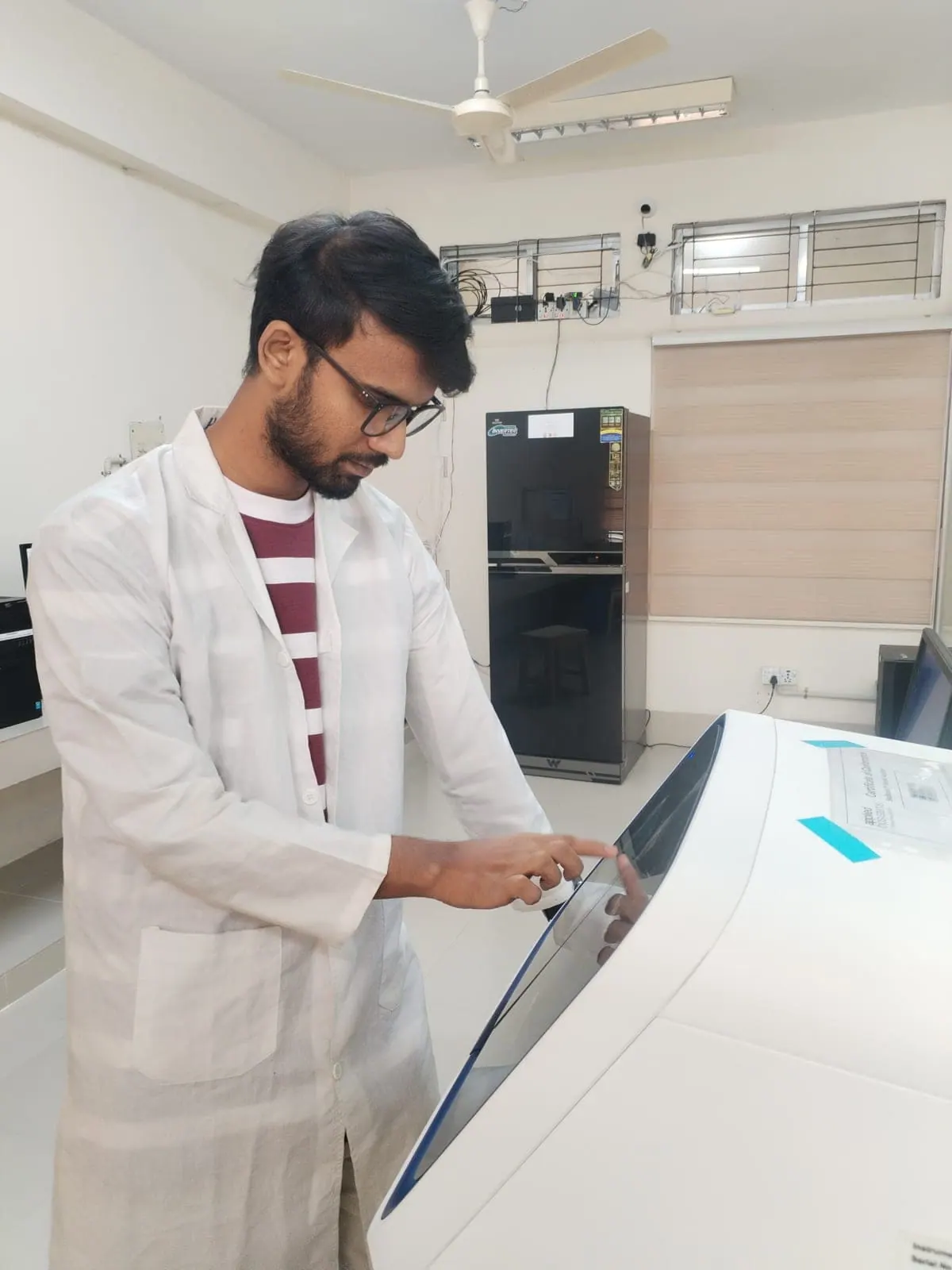
I am , a molecular geneticist working on the genetic basis of complex disease. I generate my own data - extraction, PCR, Sanger sequencing, targeted panels and exomes on patient cohorts - and interpret it computationally.

Portrait of Md. Hridoy Ahmed, molecular geneticist

Md. Hridoy Ahmed

Molecular Geneticist · Disease Variant Genomics

About

A molecular geneticist, bench first

Molecular geneticist trained in Genetic Engineering & Biotechnology at the University of Chittagong - 2nd in my M.Sc. cohort (CGPA 3.94/4.00), 4th in my B.Sc. (3.89/4.00), and holder of a National Science & Technology Fellowship.

At the Functional Genomics & Proteomics Laboratory I run three bench-led cohort studies - ADPKD, PCOS, and ESBL-producing E. coli - from DNA extraction, PCR and Sanger sequencing through whole-exome sequencing and variant interpretation.

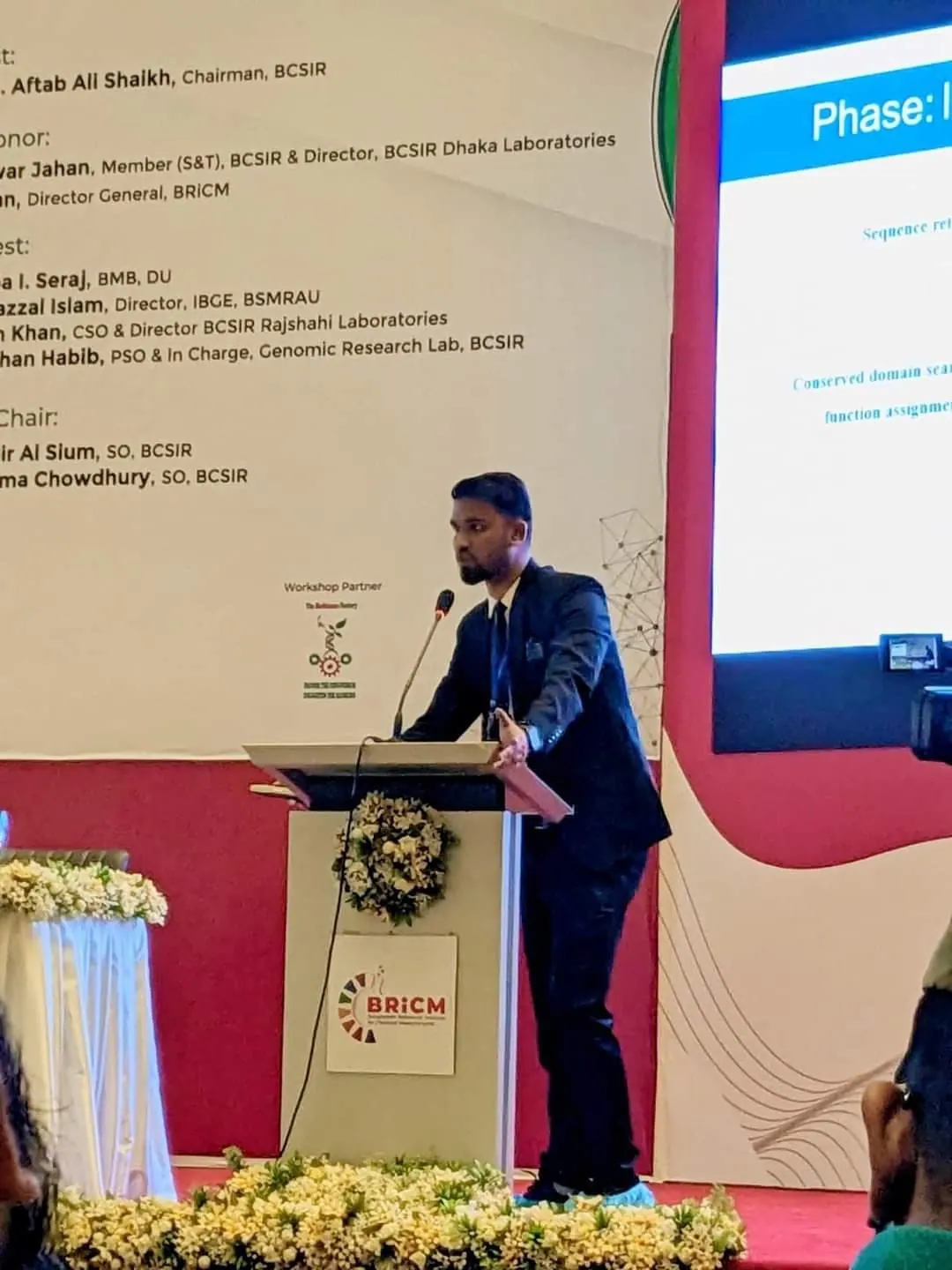
4 peer-reviewed papers - 3 first-author, 2 in Q1 journals, 1 as corresponding author - with 3 manuscripts in preparation. My Mpox vaccine study won Best Research Paper Presenter at the 4th Darwin International Conference.

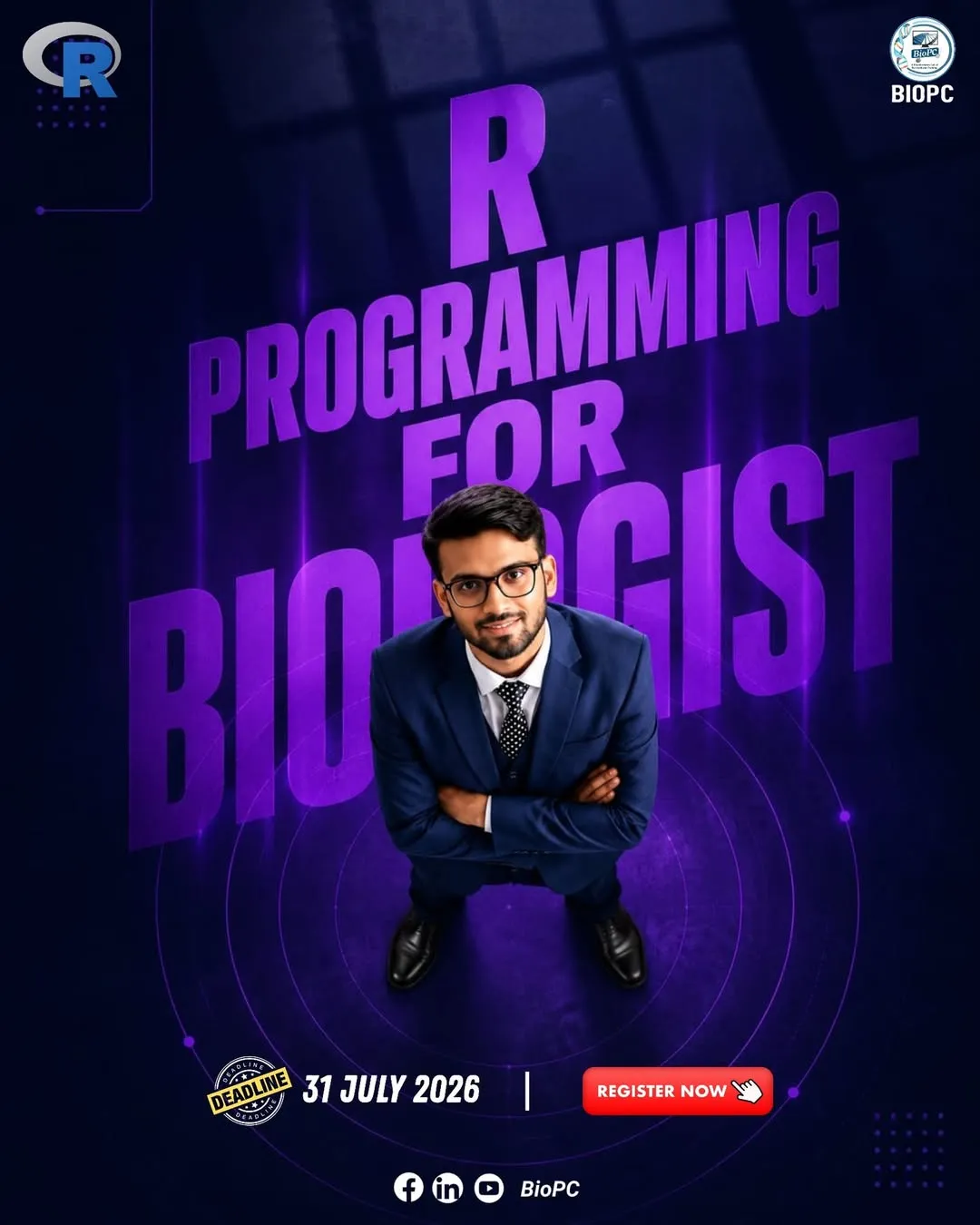
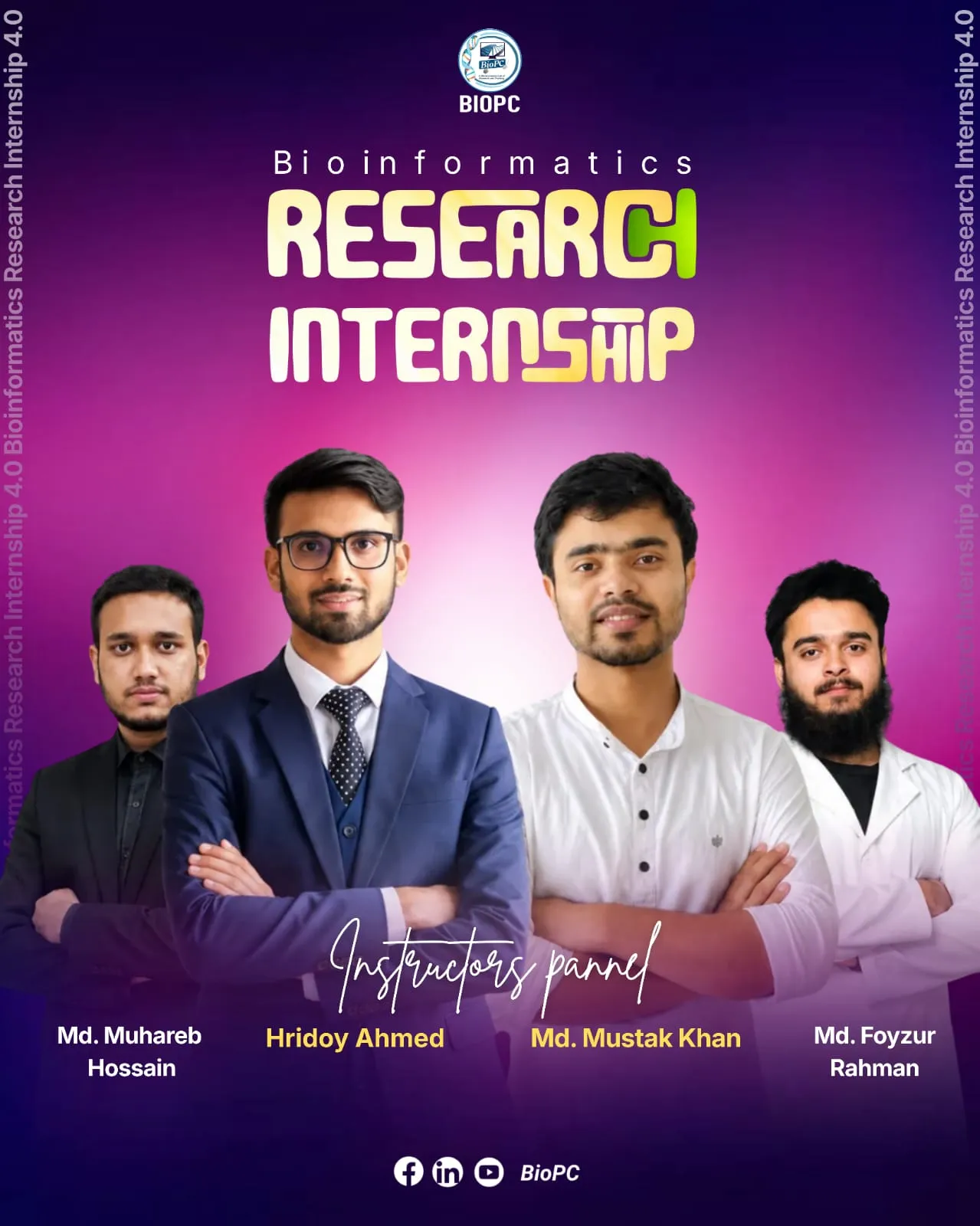
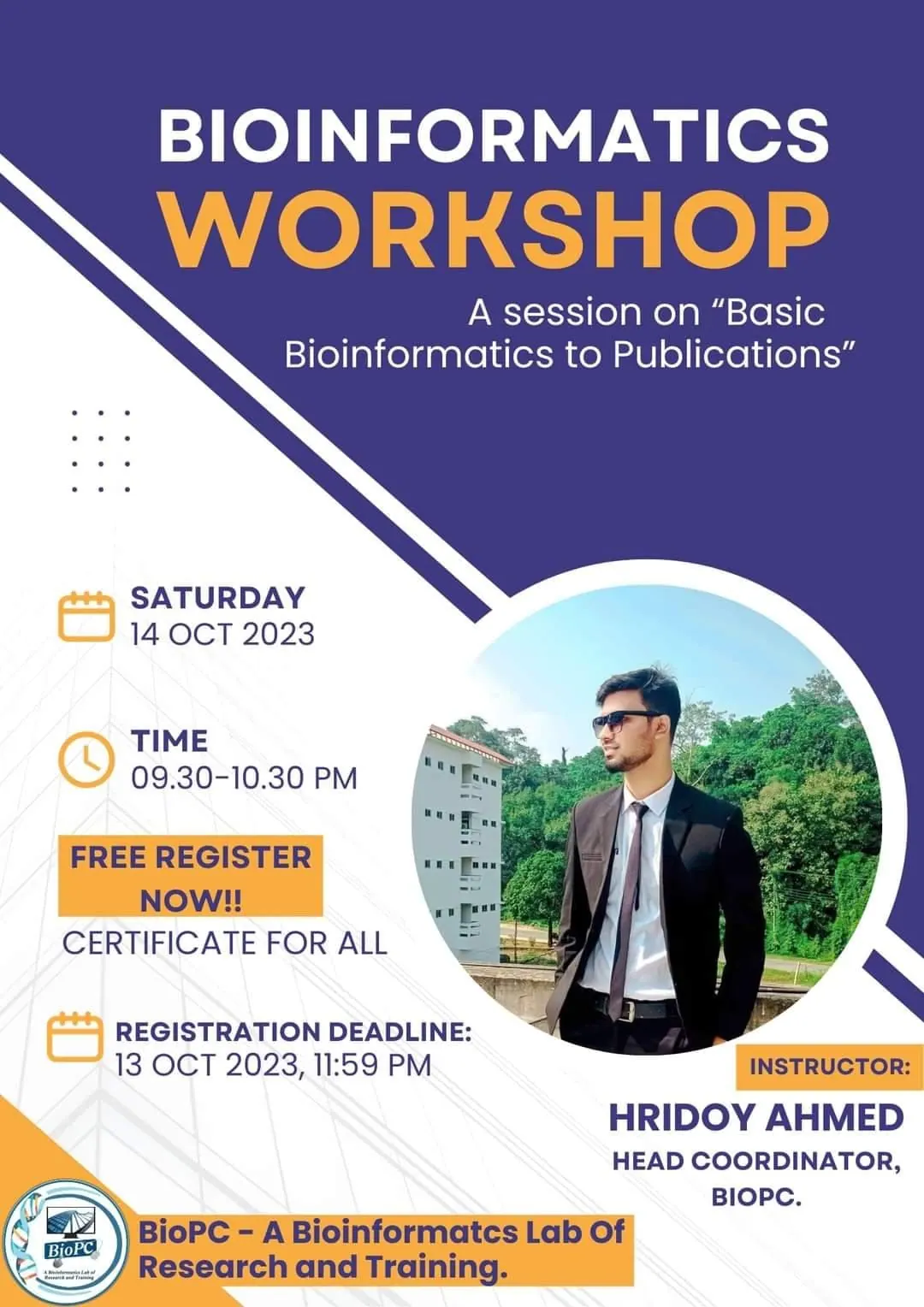
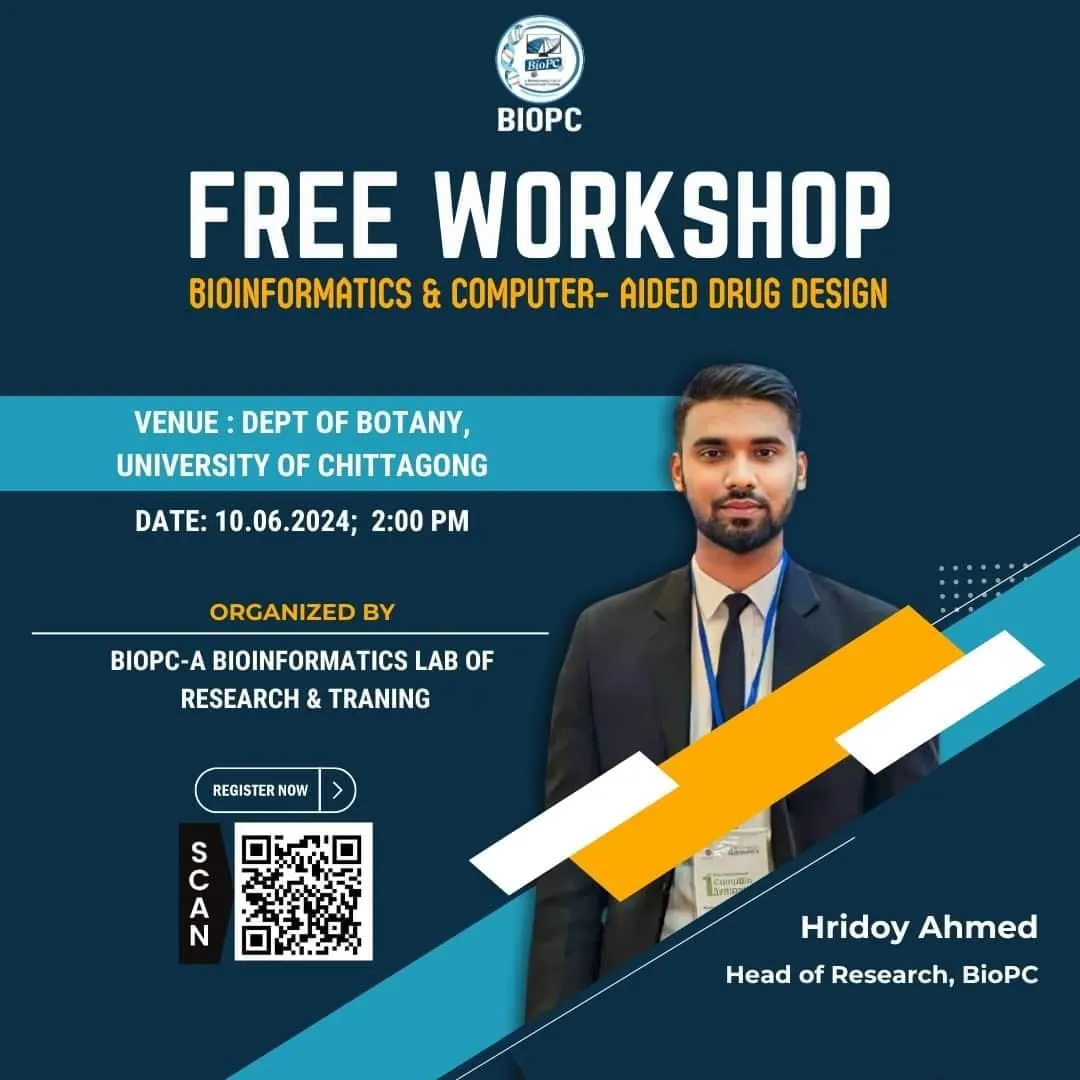
Founder and chief instructor of BioPC, one of the largest bioinformatics training communities in Bangladesh - 3,000+ learners, 25 training programmes, and 2 national olympiads.

0

Peer-reviewed publications

0

Manuscripts in preparation

0+

Research projects

0+

Learners mentored

Education

  • 2023 – 2025

    M.Sc. (Thesis) - Genetic Engineering & Biotechnology

    University of Chittagong

    First Class, 2nd Position · CGPA 3.94 / 4.00

  • 2019 – 2023

    B.Sc. (Honours) - Genetic Engineering & Biotechnology

    University of Chittagong

    First Class, 4th Position · CGPA 3.89 / 4.00

Research positions

  • Research Associate

    FGPL, University of Chittagong · 2025 – Present

  • Thesis Researcher

    FGPL, University of Chittagong · 2024 – 2025

  • Summer Research Intern

    Alternative Medicine & Natural Product Research Lab · 2023

  • Research Intern

    NIB, Bangladesh · 2023

Research Programme

One question, three cohorts

Molecular biology first: DNA extraction, PCR and qPCR, Sanger sequencing, targeted panels and whole-exome sequencing - interpreted with computational genomics.

Bench-led

Genetic Basis of Complex Disease

Finding the variants that carry risk in diabetes, kidney disease, PCOS, and periodontitis - genotyped in my own hands.

The question

Which inherited variants shape risk in common, multifactorial disease, and which of them actually change protein function?

At the bench

DNA extraction, PCR and qPCR, gel electrophoresis, and Sanger genotyping across patient and control cohorts.

Bench-led

Clinical Variant Discovery & Interpretation

Taking a patient sample from extraction through sequencing to an annotated, clinically interpretable variant call.

The question

How do we move reliably from a clinical sample to a variant call that a clinician could act on - and how do we catch the artefacts on the way?

At the bench

Sample preparation, targeted panel and exome library workflows, Sanger confirmation of called variants.

Bench-led

Genomic Epidemiology of Antimicrobial Resistance

Tracking resistance through bacterial isolates - whether it travels by clone, by plasmid, or by region.

The question

Is resistance in Bangladeshi clinical isolates structured by geography, or by the clones and plasmids that carry it?

At the bench

Isolate culture and characterisation, DNA extraction, and sequencing library preparation ahead of whole-genome analysis.

Methods I bring to them

Computational biology is how the variants get interpreted, not a separate research line. Each of these carries published work behind it.

Structural Modelling & Docking

Protein modelling, binding-site mapping, and binding-free-energy analysis to ask what a variant does to a structure.

Molecular Dynamics Simulation

GROMACS trajectories with RMSD/RMSF and stability profiling, used to test whether a predicted effect holds up.

Computer-Aided Drug Discovery

Virtual screening, docking, ADMET and DFT - the method behind the Chikungunya RdRp work.

Immunoinformatics & Vaccine Design

Epitope prediction and multi-epitope construct design - the method behind the Mpox vaccine study.

NGS Pipelines & Variant Calling

Reproducible workflows from raw reads to filtered, annotated variants using GATK Best Practices.

Statistical & Network Analysis

Association testing, pathway enrichment, and interaction-network interpretation in R and Python.

At the Bench

What I am working on now

Three cohort studies in preparation. In each one the DNA was extracted, amplified, and sequenced in our laboratory before any of it reached a terminal.

In preparationBench

Clinical Variant Discovery

Variant Spectrum of Autosomal Dominant Polycystic Kidney Disease in a Bangladeshi Cohort: A Nine-Gene Targeted Panel Study

37 patients · 9 controls · 9-gene panel

Methods

  • DNA extraction and targeted panel library preparation
  • Targeted sequencing of PKD1, PKD2, PKHD1 and six further cystic kidney genes
  • GATK HaplotypeCaller with ClinVar and gnomAD v4 annotation
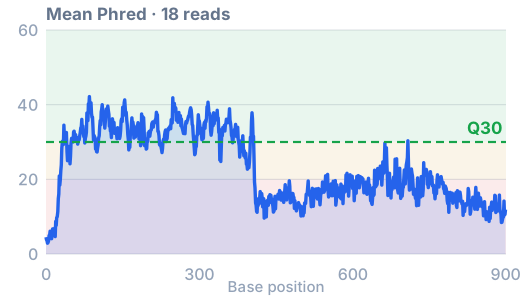
  • Call-set QC by Ti/Tv ratio, mapping quality, and reference-allele verification

Finding. Fourteen pathogenic or likely pathogenic variants across PKD1, PKD2 and PKHD1; a candidate variant in 41% of patients. One ClinVar-listed variant was shown to be a mapping artefact. The first ADPKD variant spectrum reported from Bangladesh.

Project detail
In preparationBench

Human Disease Genetics

Common Polymorphisms and Rare Coding Variants Converge on Gonadotropin, Insulin and Androgen Signalling in Bangladeshi Women with PCOS

300 patients · 300 matched controls

Methods

  • PCR and Sanger genotyping of five FSHR, INSR and SHBG polymorphisms
  • Whole-exome sequencing with GRCh38 alignment and GATK Best Practices
  • Rare-variant prioritisation and protein stability prediction
  • Pathway enrichment analysis

Finding. All five polymorphisms associated with PCOS, and rare damaging variants converged on the same reproductive and metabolic pathways - common and rare variation implicating one mechanism.

Project detail
In preparationBench

Genomic Epidemiology & AMR

Clone- and Plasmid-Structured Antimicrobial Resistance in ESBL-Producing Escherichia coli Across Three Regions of Bangladesh

38 isolates · Barishal, Chattogram, Dhaka

Methods

  • Isolate characterisation, DNA extraction, and sequencing library preparation
  • SPAdes assembly, Prokka annotation, Panaroo pan-genome, IQ-TREE phylogeny
  • In silico MLST and Mash comparison against global genomes
  • MOB-suite plasmid reconstruction and mobile-element profiling

Finding. Seventeen sequence types resolved: a homogeneous CTX-M-15/ST131 background countrywide, with a focal, Dhaka-centred carbapenemase signal riding international high-risk clones. Resistance is structured by clone and plasmid, not by geography.

Project detail
Publication Highlights

Peer-reviewed research

Four peer-reviewed articles, three as first author and one as corresponding author. Two appeared in Q1 journals (Elsevier and Taylor & Francis) and two in Wiley titles, each validated across rigorous computational methods.

Corresponding authorQ2 JournalResearch ArticlePublished2026

From Association to Mechanism: Regulatory Annotation and Pathway Mapping of Genes Surrounding Breast Cancer Risk Variants

Sultana Jannat, Trina Mitra, Nafisa Nawar Fariha, Tasmia Tabassum, Kulsuma Bahar Bethi, Synchita Majumder Kaya, Md. Arif Hossen, Md. Saad Hossain, Jobaier Ibne Deen, Mohammed Emon, Laila Khaleda, Md. Hridoy Ahmed

Computational and Systems Oncology, 6, e70024 · Wiley

How this connects. Regulatory annotation of risk variants - the same interpretive step applied to the ADPKD and PCOS cohorts, here on breast cancer loci.

  • Corresponding-author study published open access in Computational and Systems Oncology (Wiley), 2026.
  • Examined 175 breast cancer risk variants confirmed by genome-wide association studies and the genes flanking each locus.
  • Mapped the risk genes onto androgen receptor, Wnt/β-catenin, and Hedgehog signaling pathways central to mammary biology.
  • Annotated correlated variants with HaploReg, finding a 4.8-fold excess of DNase I hypersensitivity and a 15.7-fold excess of enhancer motifs.
First & corresponding authorQ2 JournalReview ArticleIn press2026

Molecular Pharming: Advances, Applications, and Future Prospects in Biotechnology and Medicine

Md. Hridoy Ahmed, Md. Mustak Khan, Shishir Dutta, Md. Foyzur Rahman, Mohammad Shariful Islam, Md. Najmul Hosen, Md. Saad Hossain, Md. Aftabur Rahman, Md. Sadman Hasan Sahil, Tanjuma Tasnim Hira, Ifthesum Ashikur Rahaman, Md. Afser Rabbi, Laila Khaleda

Engineering in Life Sciences · Wiley

How this connects. A review of recombinant protein production in plants, written out of the molecular biology and expression work behind the bench programme.

  • First-author, corresponding-author review accepted in Engineering in Life Sciences (Wiley), February 2026; article page and DOI to follow on final publication.
  • Traces the evolution of molecular pharming and plant-based production of recombinant proteins, vaccines, and industrial enzymes.
  • Surveys host organisms, genetic-engineering methods (including CRISPR/Cas9), and protein extraction and purification strategies.
  • Weighs advantages against challenges of public perception, regulation, and economic sustainability, and maps future directions.
First authorQ1 JournalResearch Article2024

A structure-based drug design approach for the identification of antiviral compounds targeting the Chikungunya virus RdRp protein

Md. Hridoy Ahmed, Gagandeep Singh, Melvin Castrosanto, Alomgir Hossain, Md. Morshedul Islam Rifat, Sadia Hosna Rima, Vandana Gupta, Rajesh K. Kesharwani, Mariusz Jaremko, Abdul-Hamid Emwas, et al.

Chemical Physics Impact, 8, 100450 · Elsevier

How this connects. Where the structural modelling and molecular dynamics methods were built - now applied to asking what disease variants do to protein structure.

  • Designed antiviral candidates through pharmacophore-based virtual screening and molecular docking.
  • Carried out structural analysis, binding free-energy evaluation, and molecular dynamics simulation.
  • Identified multi-target compounds with strong RdRp inhibitory potential.
  • Published in a Q1 Elsevier journal as first author.
First authorQ1 JournalResearch Article2023

An immuno-informatics approach for annotation of hypothetical proteins and multi-epitope vaccine design against the Mpox virus

Md. Hridoy Ahmed, Gagandeep Singh, Melvin Castrosanto, Prawez Alam, Faizul Azam, et al.

Journal of Biomolecular Structure and Dynamics, 42(10), 5288-5307 · Taylor & Francis

How this connects. Proteome-wide screening and epitope prediction - the computational annotation skills that variant interpretation draws on.

  • Identified antigenic proteins through proteome-wide immunoinformatics screening.
  • Designed a multi-epitope vaccine construct targeting Mpox viral proteins.
  • Performed molecular docking with immune receptors, including TLR-4 and MHC alleles.
  • Simulated immune responses using computational immunology tools.

At the Bench

The data, then the techniques

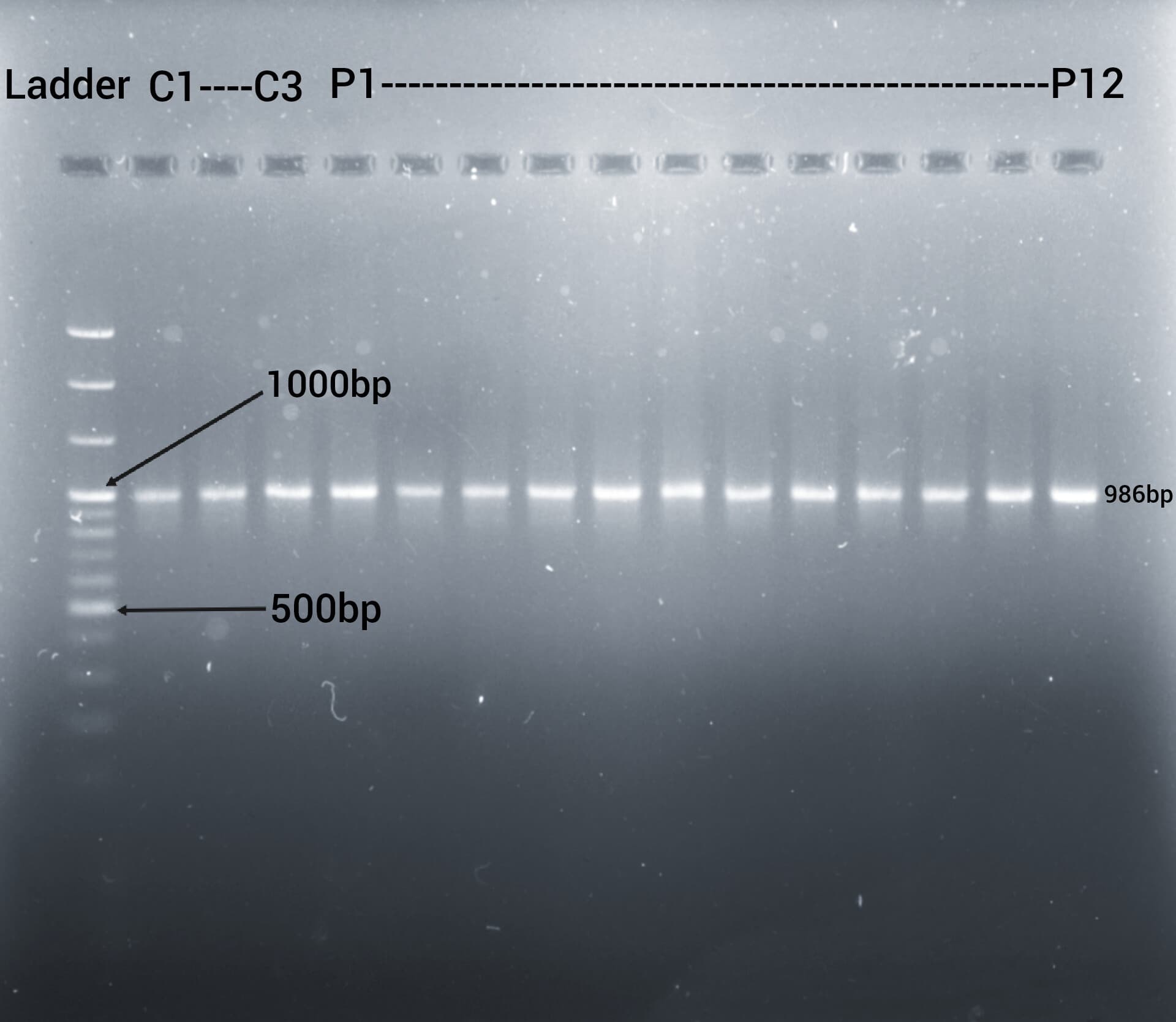
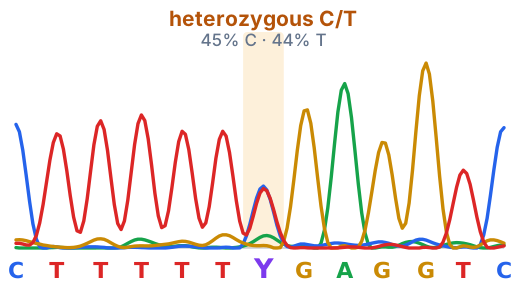
Three figures from the MMP variant study - a PCR gel, a Sanger electropherogram, and the read-quality profile behind the variant calls.

Hands-on

Molecular Biology - Bench

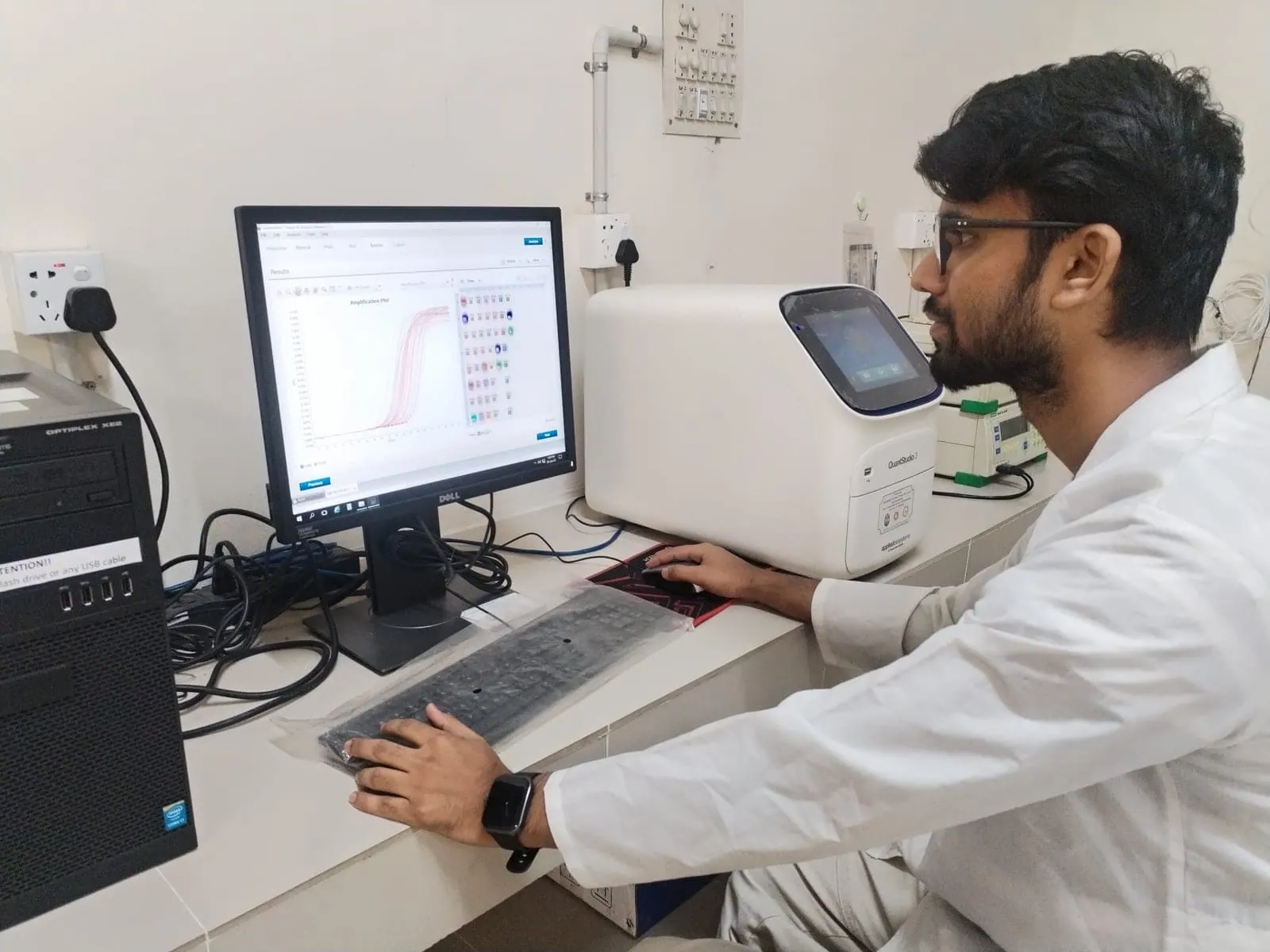
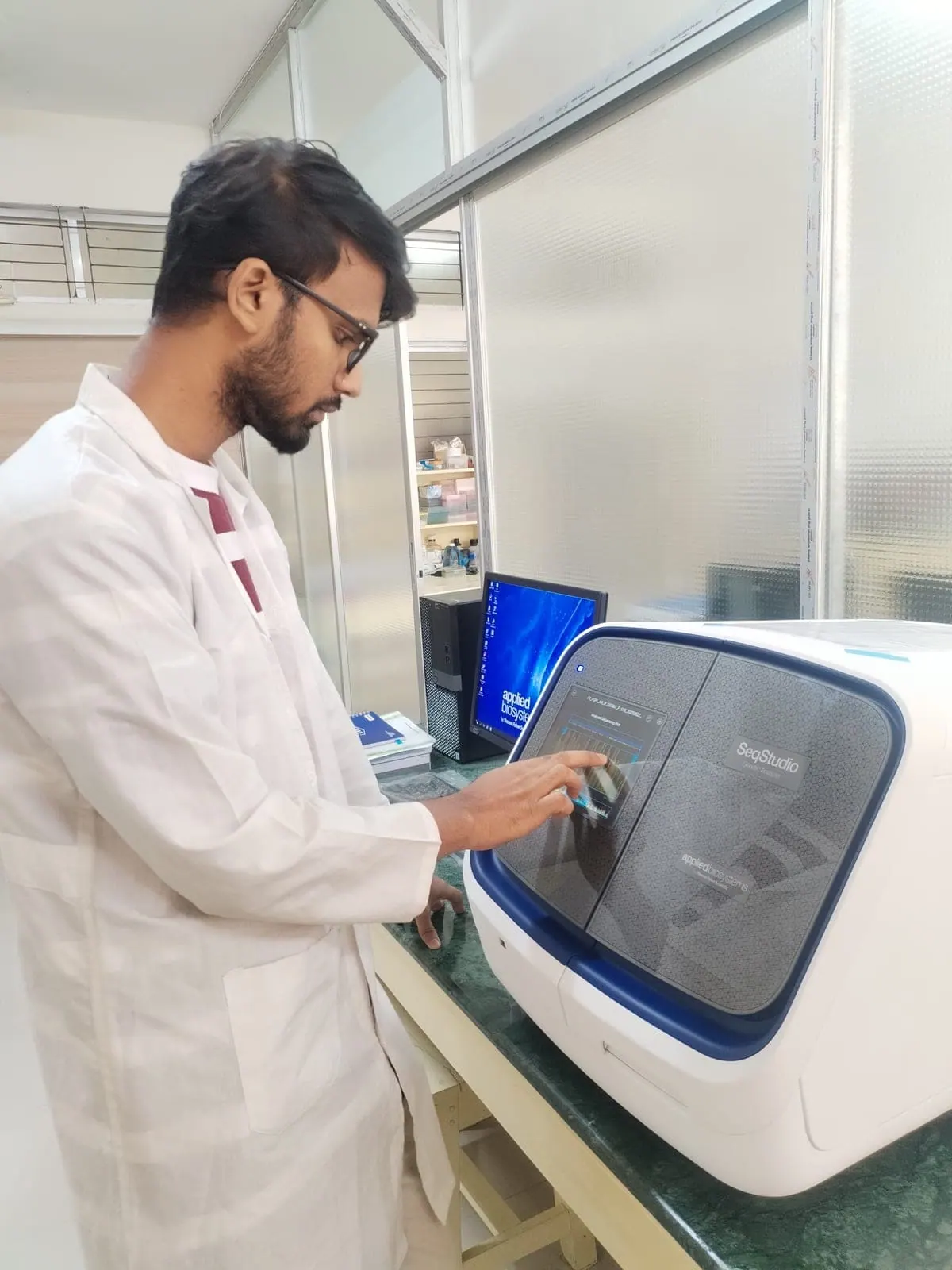
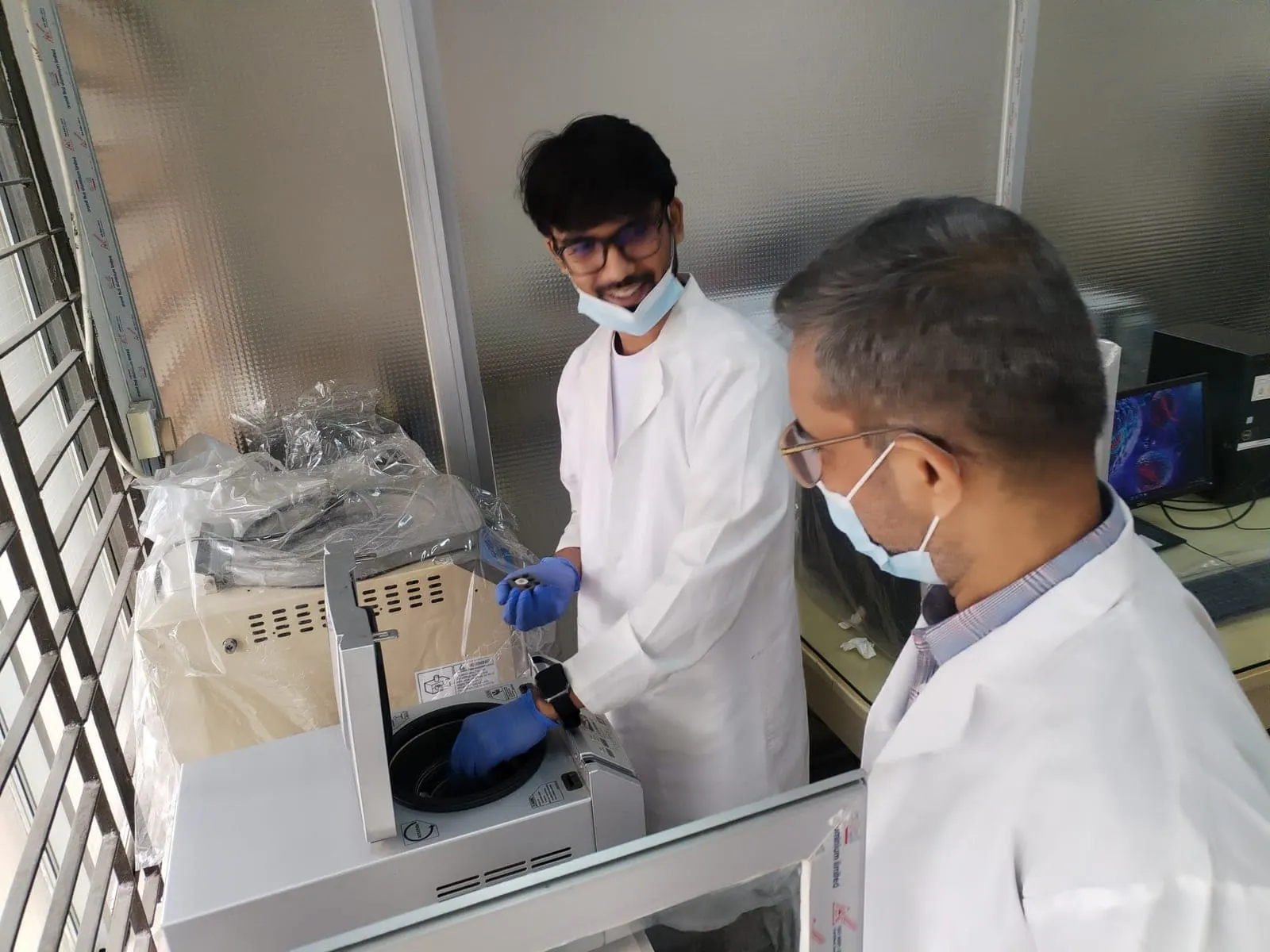
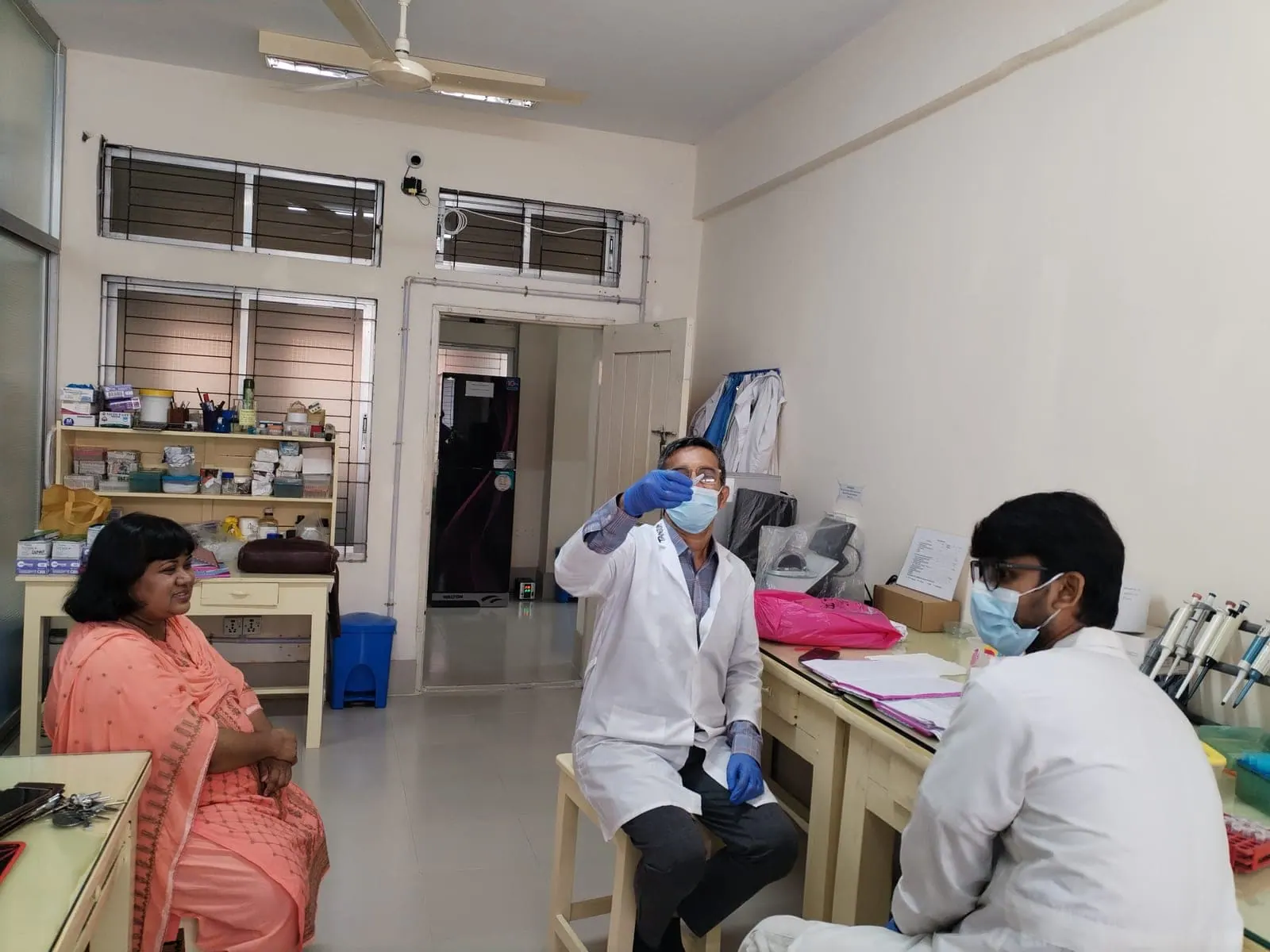
Daily bench work at the Functional Genomics & Proteomics Laboratory, University of Chittagong.

  • Genomic DNA extraction, quantification, and quality assessment
  • PCR, qPCR, and RT-PCR - primer design through optimisation
  • Agarose gel electrophoresis and PAGE
  • Protein isolation, SDS-PAGE, and ELISA
  • Centrifugation, sample fractionation, and karyotyping
  • Plant extract preparation and organic compound fractionation
Hands-on

Sequencing - Bench to Chromatogram

Certified in Sanger sequencing at FGPL; NGS workflow training at the National Institute of Biotechnology.

  • Sanger sequencing: sample prep, purification, cartridge loading, chromatogram calling
  • Targeted panel sequencing library preparation
  • Whole-exome sequencing sample handling and QC
  • Troubleshooting failed reads and ambiguous base calls
  • Sanger confirmation of NGS-called variants
Hands-on

Biochemical & Cellular Assays

Alternative Medicine & Natural Product Research Lab, and thesis assay work.

  • Phytochemical screening
  • Anti-inflammatory assays - protein denaturation, membrane stabilisation
  • Antioxidant and antimicrobial assays
  • Determination of blood components
  • Animal-model toxicity and bioactivity testing
Academic Timeline

A path through study, research, and service

Education, research positions, peer-reviewed publications, awards, and the founding of a national training community.

  1. 2026 · Publication

    First-author review - Molecular Pharming (Wiley)

    Engineering in Life Sciences, Wiley

    A comprehensive review of plant-based biopharmaceutical production, accepted February 2026 as first and corresponding author.

  2. 2026 · Research

    Three collaborative genomics manuscripts in preparation

    FGPL & Department of Genetic Engineering and Biotechnology, University of Chittagong

    Co-author on ADPKD panel sequencing, PCOS common and rare variant analysis, and genomic epidemiology of ESBL-producing E. coli.

  3. 2025 – Present · Research

    Research Associate

    Functional Genomics & Proteomics Laboratory, University of Chittagong

    Continuing disease-associated variant research at FGPL, extending the MMP variant work into wider NGS and precision-genomics pipelines.

  4. 2024 – 2025 · Research

    Thesis Researcher

    Functional Genomics & Proteomics Laboratory, University of Chittagong

    Disease-associated variant analysis across diabetes, CVD, CKD, PCOS, and periodontitis using PCR/qPCR, Sanger sequencing, and NGS pipelines.

  5. 2024 · Publication

    First-author Q1 publication - CHIKV RdRp drug design

    Chemical Physics Impact, Elsevier

    Structure-based identification of antiviral candidates targeting the Chikungunya virus RNA-dependent RNA polymerase.

  6. 2023 – 2025 · Education

    M.Sc. in Genetic Engineering & Biotechnology

    University of Chittagong

    First Class, 2nd Position, CGPA 3.94/4.00. Thesis on MMP variant analysis in diabetes-influenced apical periodontitis.

  7. 2023 · Publication

    First-author Q1 publication - Mpox vaccine design

    Journal of Biomolecular Structure and Dynamics, Taylor & Francis

    Immunoinformatics annotation of hypothetical proteins and a multi-epitope vaccine construct against the Mpox virus.

  8. 2023 · Research

    Research Internships - NIB & Natural Product Lab

    National Institute of Biotechnology & Alternative Medicine Lab

    Sanger and NGS workflow training, plus nanophytocompound isolation with docking-guided screening.

  9. 2023 · Award

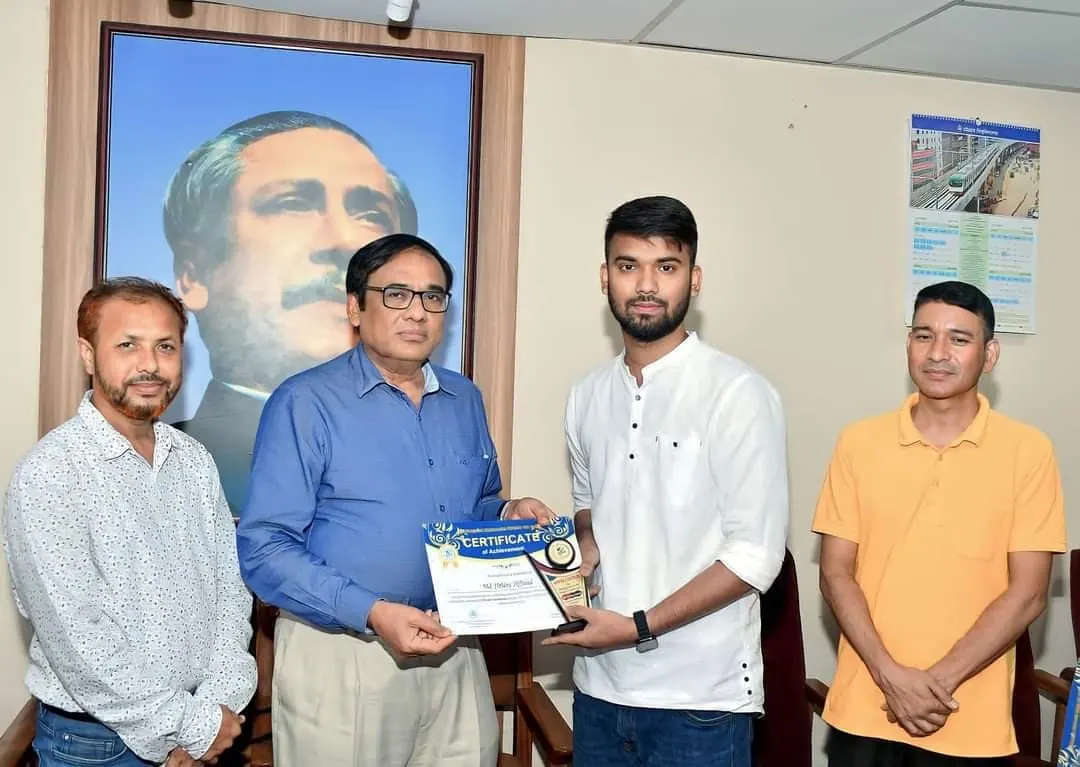
    Best Research Paper Presenter - Darwin International Conference

    4th Edition

    Recognised for the clarity and rigour of the Mpox multi-epitope vaccine presentation.

  10. 2021 – Present · Leadership

    Founder & Chief Trainer, BioPC

    Bioinformatics Lab of Research and Training

    Built one of Bangladesh's largest bioinformatics communities, training 3,000+ learners across 25 programmes and two national olympiads.

  11. 2019 – 2023 · Education

    B.Sc. (Honours) in Genetic Engineering & Biotechnology

    University of Chittagong

    First Class, 4th Position, with consistent first class standing across all academic years.

  12. 2016 – 2017 · Award

    Grameen Bank Scholarship & Most Brilliant Student Award

    Kishoreganj

    Early recognition for academic performance and scientific promise.

Teaching & Mentorship

BioPC - training the next cohort of computational biologists

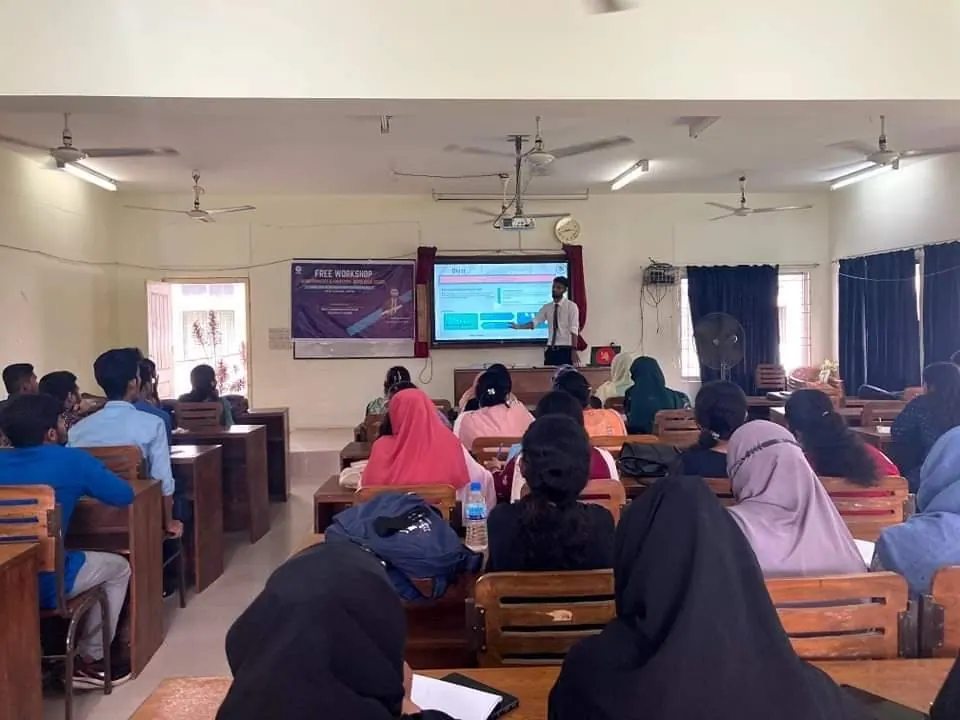
BioPC is one of the largest bioinformatics communities in Bangladesh. I founded it to give students rigorous, hands-on research training that is often hard to find, and to open a path into computational biology for learners who would otherwise go without it.

  • Bioinformatics fundamentals and command-line workflows
  • Computer-aided drug and vaccine design
  • NGS data analysis and variant interpretation
  • Statistical analysis with R, SPSS, and KoboToolbox
  • Scientific writing and research methodology

0+

Learners trained

0

Training programmes

0

National olympiads

~0

Bioinformatics workshops

0

Research projects with trainees

0

Q1 articles from the community

Contact

Let's discuss research, study, and collaboration

I welcome enquiries about doctoral positions, fellowships, co-authorship, and bioinformatics training. The fastest way to reach me is by email.

Emailhridoy.geb.cu@gmail.com
Based inChattogram, Bangladesh

Find me online

Profiles, preprints, and code. Connect on whichever platform suits you best.